
The first time you need help getting out of bed, into a shower, or across your own room, the reality of paralysis becomes impossible to ignore. In the days following a catastrophic spinal cord or neurological injury, families across Berkeley, San Francisco, and the Bay Area are suddenly forced to confront overwhelming medical bills, missed paychecks, rehabilitation schedules, and the frightening uncertainty of how daily life will function moving forward. Routines that once felt automatic can become physically exhausting.
Paralysis cases are especially difficult because the consequences are often permanent. Medical treatment, mobility assistance, and long-term care can continue for years, while insurance companies frequently move quickly to limit the value of catastrophic injury claims. Siegal & Richardson, LLP represents people throughout California whose lives were disrupted by severe spinal cord and neurological conditions. Below, the firm explains how paralysis cases happen, who may be legally responsible, what compensation may be available, and how an experienced California paralysis lawyer can help pursue meaningful financial recovery.
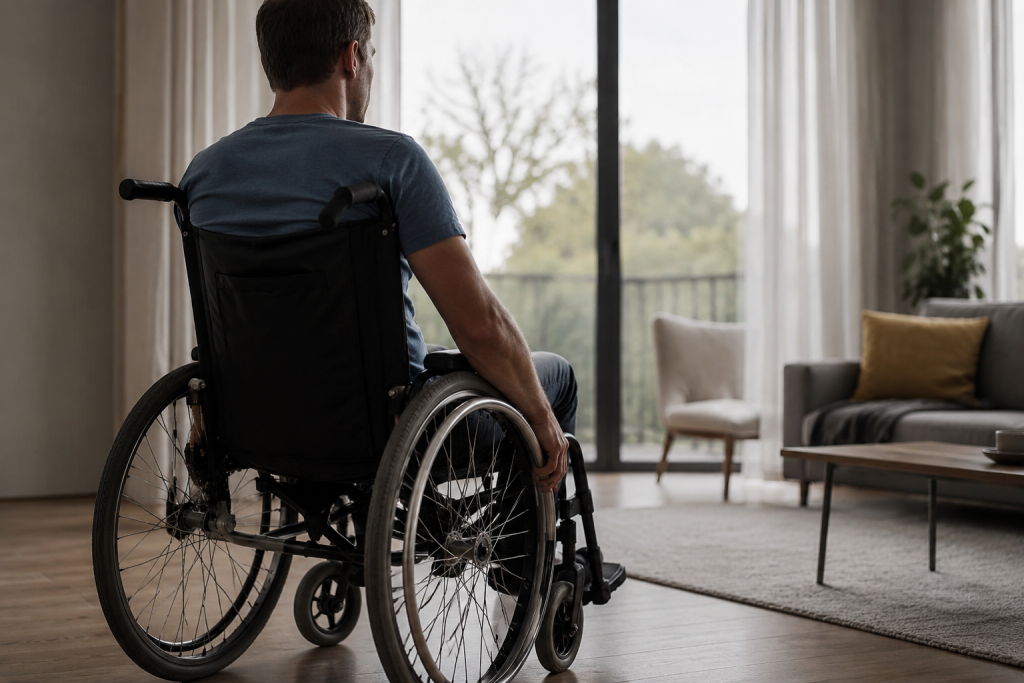
Paralysis Lawyer in California
After a paralysis diagnosis, insurance companies often begin evaluating your case before you fully understand what your future medical needs will cost. The experienced attorneys at Siegal & Richardson, LLP represent paralysis victims throughout California in high-stakes cases involving permanent mobility loss and catastrophic neurological damage. The firm has decades of litigation experience handling serious injury claims against major defendants. If you or someone you love is living with paralysis, contact Siegal & Richardson, LLP by calling (510) 271-6720 or contacting us online for a free consultation.
Major Types of Paralysis You May Suffer After a Serious Injury
Monoplegia — When you lose movement in a single arm or leg, you may be dealing with monoplegia. Even though only one limb is affected, the condition can interfere with your ability to work, drive, cook, exercise, or handle daily tasks. Some people experience weakness and numbness, while others completely lose function in the affected limb. You may also struggle with balance, coordination, and chronic pain that affects your independence. Treatment often includes physical therapy, mobility support, medications, and rehabilitation. Depending on the severity of the neurological damage, some victims regain limited movement while others face permanent physical limitations.
Hemiplegia — If one entire side of your body no longer functions properly, you may be suffering from hemiplegia. This type of paralysis can affect your arm, leg, facial muscles, speech, coordination, and mobility at the same time. Simple activities like walking, bathing, dressing, or preparing meals may suddenly become difficult without assistance. You may also experience muscle stiffness, fatigue, memory problems, or speech difficulties that interfere with daily life. In many cases, extensive rehabilitation is necessary to improve mobility and regain independence. Some victims require wheelchairs, home modifications, or long-term personal care assistance.
Paraplegia — Paralysis affecting the lower half of your body is known as paraplegia. You may lose movement and sensation in your legs, hips, and lower torso, which can permanently impact your mobility and independence. Many paraplegia victims rely on wheelchairs and ongoing rehabilitation to navigate daily life. The condition can also lead to complications involving circulation, nerve pain, muscle deterioration, bladder function, infections, and chronic discomfort. You may need home modifications, adaptive vehicles, and assistive medical equipment to maintain a safe lifestyle. Beyond the physical challenges, paraplegia often creates emotional and financial hardships that affect entire families.
Quadriplegia — When paralysis affects both your arms and legs, you may be facing quadriplegia, which is also called tetraplegia. This is one of the most severe forms of paralysis because it can impact nearly every major bodily function. Depending on the level of spinal cord damage, you may lose the ability to walk, use your hands, breathe independently, or care for yourself without assistance. Many victims require around-the-clock medical support, specialized equipment, caregivers, and lifelong rehabilitation. Everyday tasks like eating, speaking, or getting out of bed may require help from others. The emotional, physical, and financial toll of quadriplegia is often overwhelming for both victims and their families.
Partial Paralysis — You may still retain limited movement or feeling even though part of your body no longer functions normally. Partial paralysis can involve weakness, numbness, poor coordination, muscle spasms, or restricted mobility. Some victims notice gradual improvement through rehabilitation, while others continue to experience permanent limitations that interfere with work and daily activities. Symptoms often vary depending on the severity of the neurological damage. Because the condition may worsen over time or lead to additional complications, ongoing medical evaluations and treatment are often necessary.
Complete Paralysis — When all movement and sensation disappear below a certain point in your body, you may be suffering from complete paralysis. This condition typically causes permanent physical limitations that require substantial medical care and lifestyle adjustments. You may completely lose control over affected muscles and bodily functions, making independent living extremely difficult. Long-term treatment often includes rehabilitation, mobility devices, personal care assistance, and continuous medical monitoring. Because every case is medically unique, further analysis may be needed to fully understand future treatment needs and long-term complications.
Temporary Paralysis — In some situations, paralysis symptoms may improve over time with proper medical treatment and rehabilitation. Temporary paralysis can still disrupt your ability to work, drive, move independently, or manage daily responsibilities during recovery. You may experience weakness, numbness, loss of coordination, or limited movement for weeks or months depending on the severity of the condition. While some people eventually regain normal function, others continue to experience lingering symptoms that interfere with daily life.
Permanent Paralysis — If your neurological damage cannot be reversed, the effects of paralysis may remain for the rest of your life. Permanent paralysis often requires extensive medical treatment, rehabilitation, assistive devices, and long-term care planning. You may need to modify your home, rely on mobility equipment, or depend on caregivers for basic daily tasks. The condition can also affect your mental health, relationships, financial stability, and ability to maintain employment. In severe cases, lifelong nursing care or specialized medical supervision may become necessary.
Top Causes of Paralysis in California
Vehicle Accidents — Serious car, truck, motorcycle, bicycle, and pedestrian accidents are one of the leading causes of paralysis in California. High-speed freeway crashes throughout Los Angeles, Oakland, San Francisco, Sacramento, and San Jose often result in severe spinal cord and neurological damage that permanently changes your life.
Falls — A sudden fall can cause catastrophic injuries that affect your spinal cord, brain, or nervous system. Falls frequently happen on construction sites, stairways, sidewalks, ladders, and unsafe properties. Older adults are especially vulnerable to fall-related paralysis that leads to long-term mobility problems and medical complications.
Sports and Recreation Accidents — Contact sports and recreational activities can leave you with permanent physical limitations. Diving accidents, football injuries, cycling crashes, surfing accidents, and other high-impact activities sometimes cause severe damage that affects movement, sensation, and coordination for years or permanently.
Violence and Assaults — Gunshot wounds, physical assaults, and other violent acts may cause devastating neurological injuries. Victims often suffer permanent mobility loss, chronic pain, emotional trauma, and lifelong medical challenges that affect both independence and financial stability.
Workplace Accidents — Dangerous job conditions can lead to catastrophic injuries that affect movement and bodily function. Heavy machinery incidents, falling objects, industrial accidents, warehouse injuries, and electrocutions are especially dangerous in physically demanding California industries like construction, manufacturing, and transportation.
Medical Conditions — Certain serious health conditions can result in paralysis without warning. Strokes, tumors, neurological disorders, infections, and other medical emergencies may damage the brain, spinal cord, or nerves. Some victims experience sudden symptoms that require emergency medical treatment and long-term rehabilitation.
Where Paralysis Commonly Happens in Northern and Southern California
Berkeley, Oakland, and San Francisco — Busy streets, constant traffic, and crowded intersections make the Bay Area a common place for paralysis. Major roads like Interstate 80, Interstate 580, Highway 24, and US-101 regularly see severe crashes involving drivers, pedestrians, cyclists, and motorcyclists. Construction zones, public transit systems, and older buildings throughout San Francisco and Oakland also increase the risk of catastrophic spinal cord and brain injuries.
San Jose, Fremont, and Hayward — Heavy commuter traffic throughout Silicon Valley creates dangerous conditions for drivers and workers every day. Highways like Interstate 880, Interstate 680, and Highway 237 are known for high-speed collisions that can leave victims with permanent mobility loss. Large warehouses, manufacturing facilities, and commercial job sites in Fremont and Hayward also expose workers to serious accidents involving heavy equipment, falls, and crushing injuries.
Los Angeles and Sacramento — Congested freeways and dense populations make these cities major hotspots for severe injuries. Roads like Interstate 5, Interstate 10, and Interstate 405 frequently experience multi-vehicle crashes capable of causing life-changing spinal injuries. Ongoing construction projects, pedestrian traffic, and public transportation systems also contribute to the risk of catastrophic injuries throughout both cities.
Santa Rosa and Piedmont —Rural roads near Santa Rosa often see dangerous rollover and head-on crashes, while residential areas in Piedmont can involve serious falls and mobility-related injuries. Recreational activities, local roadways, and hiking areas throughout these communities may also lead to devastating neurological injuries with long-term consequences.
Who May Be Sued for Your Paralysis
Negligent Drivers — If another driver caused the crash that led to your paralysis, you may have the right to seek compensation under California Civil Code § 1714, which generally requires people to act with reasonable care. Drivers may also violate important safety laws, including California Vehicle Code § 22350 for unsafe speeding, California Vehicle Code § 23152 for drunk driving, and California Vehicle Code § 23123.5 for illegal handheld phone use while driving. California also follows comparative fault rules, meaning you may still recover compensation even if you were partly responsible for the accident.
Property Owners — Unsafe property conditions can lead to devastating spinal cord and neurological injuries. Under California Civil Code § 1714, property owners and businesses must use reasonable care to keep their premises safe. Dangerous stairs, broken railings, slippery floors, poor lighting, and unsafe walkways may create liability if they contribute to paralysis.
Employers and Third Parties — If you suffered paralysis while working, California Labor Code § 3600 may allow you to recover workers’ compensation benefits. In some cases, California Labor Code § 3852 also allows you to bring a separate claim against a negligent third party, such as a contractor, driver, equipment company, or property owner.
Manufacturers of Defective Products — Defective vehicles, medical devices, machinery, or safety equipment can cause catastrophic injuries. California product liability laws may hold manufacturers, distributors, and sellers responsible when dangerous or defective products contribute to paralysis. These claims often involve defective designs, manufacturing defects, or failures to provide proper safety warnings.
Medical Providers — Doctors, surgeons, hospitals, and other healthcare providers may be liable if medical mistakes cause or worsen paralysis. California Code of Civil Procedure § 340.5controls the filing deadline for many medical malpractice claims. California Civil Code § 3333.2also limits certain non-economic damages in medical negligence cases.
Government Entities — Dangerous public roads, sidewalks, intersections, and government-owned property may contribute to severe paralysis. California Government Code § 835 allows injured victims to pursue claims against public entities in certain situations. California Government Code § 911.2 usually requires you to file a government claim within six months.
California Statute of Limitations — Most California paralysis lawsuits must be filed within two years under California Code of Civil Procedure § 335.1. Wrongful death claims are generally governed by California Code of Civil Procedure § 377.60. Missing these deadlines may prevent you from recovering compensation.
How a California Paralysis Attorney Helps You Recover Compensation
Investigating Your Paralysis Case — A California paralysis attorney gathers medical records, imaging results, witness statements, and accident evidence to understand exactly what happened and how your condition will affect your future. In serious cases throughout Oakland, San Francisco, San Jose, and Los Angeles, attorneys often work with spinal cord specialists, neurologists, and life-care planners to calculate long-term medical needs.
Handling Insurance Companies — Insurance companies often try to minimize paralysis claims because these cases can involve millions of dollars in future losses. Your lawyer handles communication with insurers, pushes back against low settlement offers, and works to document the full impact of your condition, including future medical care, lost earning ability, rehabilitation costs, and permanent disability.
Filing a Paralysis Lawsuit — Paralysis cases are far more complex than standard personal injury claims because they usually involve lifelong physical limitations and ongoing treatment. Your lawyer may file lawsuits against negligent drivers, property owners, employers, manufacturers, or other responsible parties. In California cities with heavy traffic and large construction industries, such as Sacramento and San Francisco, these cases often involve extensive investigations and multiple defendants.
Recovering Damages for You and Your Family — A California personal injury lawyer fights for compensation involving medical bills, lost wages, reduced future earnings, home modifications, mobility equipment, pain and suffering, and long-term care costs. If paralysis leads to death, your family may also pursue wrongful death damages for funeral expenses, lost financial support, and loss of companionship under California law.
Frequently Asked Questions
How much is a California paralysis lawsuit worth?
Paralysis lawsuits may include compensation for medical bills, lost income, future care, rehabilitation, pain and suffering, mobility equipment, and long-term disability-related expenses.
What is the average settlement for paralysis?
Settlement amounts depend on the severity of the condition, future medical needs, permanent disability, lost earning capacity, and whether ongoing nursing or rehabilitation care is required.
Can I sue for getting paralyzed from a car accident?
Yes. If another person caused the crash, you may file a California paralysis claim seeking compensation for medical treatment, future care costs, lost wages, and long-term physical limitations.
How long do I have to file a lawsuit?
Most spinal cord paralysis lawsuits must be filed within two years under California law, although some exceptions and shorter deadlines may apply.
Do I need a California paralysis lawyer for my case?
A California paralysis lawyer can investigate the accident, handle insurance companies, calculate future medical costs, and pursue compensation for long-term physical, emotional, and financial losses.
What does a personal injury lawyer do in a paralysis case?
A California personal injury lawyer investigates the accident, gathers medical evidence, negotiates with insurance companies, works with specialists, and fights for maximum long-term compensation.
Should I talk to insurance companies after an accident?
You should be cautious before speaking with insurance adjusters because insurers often try to minimize payouts in catastrophic California paralysis cases involving permanent medical complications and future losses.
How much does a paralysis lawyer cost in California?
Most paralysis attorneys work on a contingency fee basis, meaning you usually pay no upfront attorney fees unless compensation is recovered through a settlement or verdict.
California Paralysis Lawyers
The cost of living with paralysis reaches far beyond hospital bills. Many families suddenly find themselves dealing with mobility equipment, home modifications, rehabilitation, lost income, and the emotional strain that follows a catastrophic injury affecting nearly every part of daily life. The pressure can feel relentless, especially when the future no longer looks anything like it once did.
The experienced personal injury attorneys at Siegal & Richardson, LLP have spent decades representing seriously injured people throughout California against insurance companies, large corporations, and other powerful defendants. Clients turn to the firm because they want lawyers prepared to take life-changing cases seriously and pursue the compensation needed for long-term medical care, financial stability, and quality of life. If you or someone you love is living with paralysis after a serious accident, contact Siegal & Richardson, LLP by calling (510) 271-6720 or contacting us online for a free consultation.