
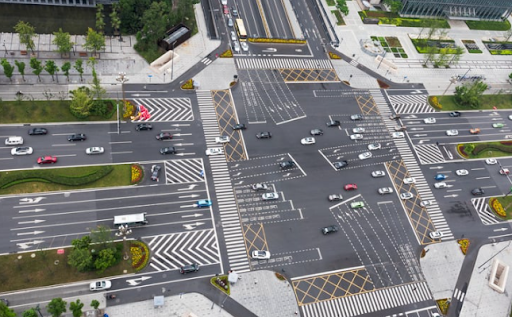
San Jose ranks among Northern California’s most hectic cities, fueled by sprawling freeways, heavy commuter flows, tech campuses, and a patchwork of homes and businesses. As a result, specific roads and intersections experience far more severe car crashes, pedestrian accidents, and injury accidents than the rest of the area.
This article highlights the most dangerous roads and intersections across San Jose. Understanding where these incidents cluster most can equip drivers, walkers, and commuters to remain vigilant and choose safer paths through the city.
Most Dangerous Roads in San Jose
Dangerous roads tend to be major thoroughfares that carry heavy traffic across long distances. Crashes can happen anywhere along these stretches.
1. Monterey Highway
Monterey Highway is a major north-south route that connects San Jose to Gilroy and other South Bay cities. It sees heavy commuter and commercial traffic during rush hours.
Wide lanes and higher speeds often result in rear-end collisions and lane-change crashes. Drivers turning into shopping centers or side streets without adequate signals can cause angle collisions. Pedestrians crossing busy segments also face risk of crashes because crosswalks are spaced far apart.
2. Santa Teresa Boulevard / San Tomas Expressway Corridor
This corridor includes Santa Teresa Boulevard, San Tomas Expressway, and surrounding connectors. It carries traffic from residential zones toward Central San Jose and freeway on-ramps.
Steady vehicle flow and frequent merging contribute to sideswipe crashes and rear-end collisions. The mix of local traffic and commuters increases the chance of crashes at driveways, shopping areas, and signalized intersections.
3. Capitol Expressway
Capitol Expressway serves as a key east-west artery in the southern part of San Jose. It connects to Highway 101 and sees heavy traffic daily.
Fast moving vehicles and sudden lane changes near business zones can lead to collisions. Areas near schools or community centers see extra pedestrian movement, which raises the risk of vehicle-pedestrian conflicts.
4. El Camino Real
El Camino Real cuts across San Jose and connects multiple cities along the Peninsula and into Silicon Valley. Within San Jose, it sees heavy commuter traffic, especially at business parks and shopping areas.
Drivers often change lanes quickly to enter or exit parking lots, which raises the chance of sideswipe and rear-end collisions. Pedestrians crossing busy sections must navigate multiple lanes of traffic, which increases the chance of injury.
5. Blossom Hill Road
Blossom Hill Road runs east-west through neighborhoods, shopping districts, and near freeway access points. It’s a common shortcut for commuters heading to Highway 85.
Heavy traffic and frequent stop-and-go conditions contribute to rear-end crashes. Turn lanes can fill quickly, leading to sudden braking and lane shifts that cause collisions. Pedestrian crossings near shopping areas and schools also increase the risk of accidents.
Most Dangerous Intersections in San Jose
Intersections concentrate several risk factors at once: multiple travel lanes, turning vehicles, pedestrian crossings, and signal timing. These are some of the intersections that see higher accident rates.
1. Blossom Hill Road & Monterey Road
This intersection combines two major traffic corridors. Because both roads see heavy commuter and local traffic, drivers often change lanes quickly or rush through yellow lights, leading to rear-end and angle crashes.
Pedestrians crossing multiple lanes can be at risk, especially if signal timing doesn’t allow enough time to get across.
2. Stevens Creek Boulevard & Winchester Boulevard
Stevens Creek Boulevard and Winchester Boulevard are two of San Jose’s busiest arteries. At their intersection, commuters, local drivers, and transit vehicles all converge.
Turning movements from both directions create conflict points. Drivers trying to beat lights or switch lanes can cause collisions. Pedestrian crossings are long, which can increase exposure to moving vehicles.
3. San Tomas Expressway & Homestead Road
This intersection marks a busy commuter zone near shopping centers, residential areas, and freeway access points. High speeds on San Tomas Expressway meet slower traffic on Homestead, which often leads to rear-end crashes and sideswipe collisions.
Pedestrians crossing at this intersection have to navigate multiple lanes, which increases the risk of serious injury.
4. Capitol Expressway & Story Road
Both Capitol Expressway and Story Road are key routes in South San Jose. Their intersection sees a mix of commuter, local, and delivery traffic.
High traffic volume and quick lane changes contribute to angle and rear-end accidents. Pedestrian signals may not always match the flow of traffic, increasing the risk for walkers crossing the area.
5. Santa Teresa Boulevard & Branham Lane
This intersection sees heavy traffic from nearby residential communities and commercial districts. Drivers often enter or exit busy shopping areas or cross lanes to reach freeway access streets.
Frequent braking and lane changes increase the chance of crashes. Pedestrians crossing here must be alert to turning vehicles and shifting traffic patterns.
Tips to Stay Safer on San Jose Roads and Intersections
Even in high-traffic zones, small safety habits can reduce risk:
- Slow down near busy corridors and intersections
- Watch for pedestrians and bicyclists
- Avoid distractions like phones when driving
- Leave an extra car length between you and the vehicle ahead
- Use crosswalks and follow all pedestrian signals
- Be cautious near freeway ramps and merge points
Awareness and patience can help prevent many common accident types.
What to Do If You’re Injured on San Jose Roads?
If you’re hurt in a San Jose car accident or pedestrian collision, consider these steps:
- Get medical care right away. Some injuries show up later.
- Report the accident if required. Contact police or authorities as needed.
- Take photos of the scene, vehicles, and injuries.
- Collect witness names and contact info if available.
- Save all medical bills, records, and repair estimates.
- Be careful with insurance statements before understanding your options.
Get Help After an Accident on San Jose Streets
San Jose’s network of major roads and busy intersections creates a higher risk for auto accidents and serious injuries. Corridors like Monterey Highway, Santa Teresa Boulevard, and Capitol Expressway, along with intersections such as Blossom Hill and Monterey Road, see heavy traffic and frequent conflicts between vehicles and pedestrians.
Being aware of these areas can help reduce risk, but accidents still happen. Whether you’re commuting to work, running errands, or walking to a transit stop, traffic patterns and road design play a major role in safety.
If you or someone you care about was injured on a San Jose road or at a busy intersection, Siegal & Richardson, LLP can help you review what happened and explain your next steps. Contact our team to get clear guidance.