
Elder Abuse Lawyer in California
If you believe an elder is being abused or taken advantage of, waiting can make the harm worse. The experienced personal injury attorneys at Siegal & Richardson, LLP take fast, decisive action to protect victims and hold wrongdoers accountable across Berkeley and the Bay Area. Call (510) 271-6720 or contact us online to discuss your legal options in a free consultation.
Major Types of Elder Abuse in California You Need to Know
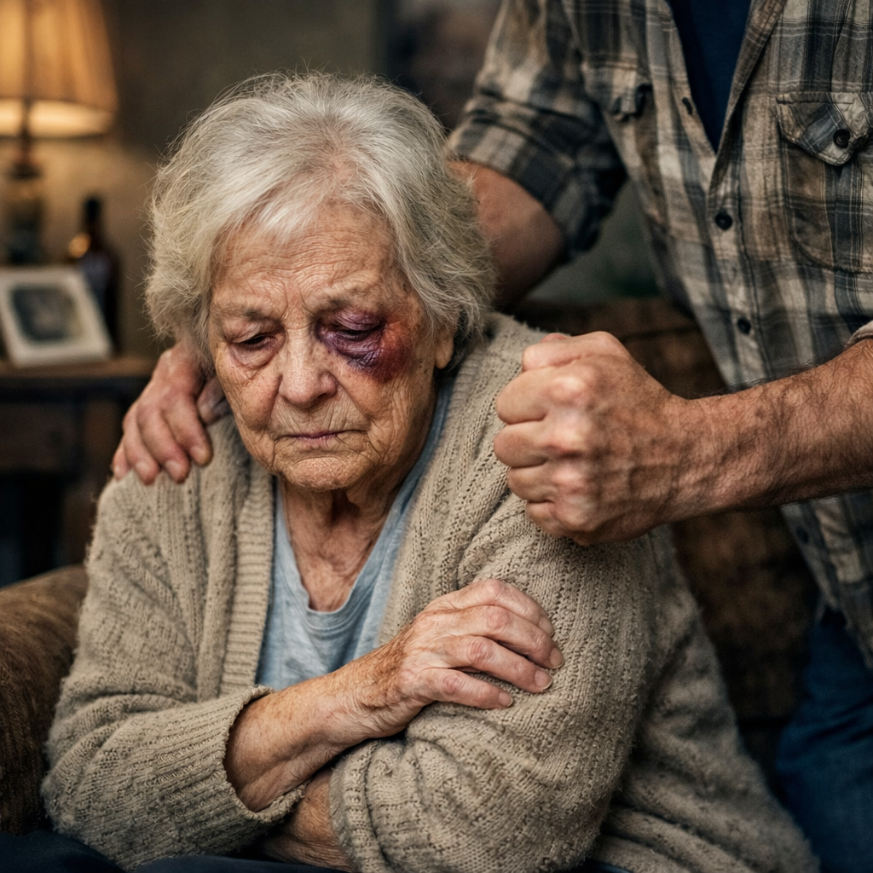
Physical Elder Abuse — This form of abuse involves intentional acts that cause bodily pain, injury, or physical impairment. You may notice unexplained bruises, fractures, burns, head injuries, or signs that restraints are being used improperly. In California, physical elder abuse often happens in nursing homes, assisted living facilities, hospitals, or private residences where caregivers control mobility, medication, or daily care. Victims frequently hesitate to report what is happening because they depend on the abuser for basic needs or fear being ignored, punished, or moved to another facility.
Emotional and Psychological Elder Abuse — Instead of visible injuries, this abuse harms your emotional stability and sense of personal safety. It may include yelling, insults, threats, humiliation, intimidation, isolation from loved ones, or constant monitoring and control. Over time, emotional abuse can lead to depression, anxiety, sleep disturbances, and a noticeable decline in mental functioning. In California elder abuse cases, this type of mistreatment is often used to maintain control over an elder while other abuse, such as neglect or financial exploitation, continues unnoticed.
Financial Elder Abuse — This occurs when someone unlawfully or improperly takes advantage of your finances, property, or assets. Common situations involve theft, fraud, forged signatures, coerced financial decisions, misuse of a power of attorney, or pressure to change estate plans. California is particularly vulnerable to financial elder abuse due to high real estate values and substantial retirement accounts. Caregivers, family members, neighbors, or trusted professionals may exploit confusion, isolation, or cognitive decline for personal benefit.
Sexual Elder Abuse — Any sexual contact that occurs without consent is considered sexual elder abuse. This includes unwanted touching, sexual assault, or sexual acts involving someone who cannot legally consent due to physical limitations, illness, or cognitive impairment. Sexual elder abuse often takes place in care facilities or private homes and is widely underreported. Many victims feel shame, fear retaliation, or struggle to communicate what happened. The emotional trauma can be severe and long-lasting, even when physical injuries are not obvious.
Elder Neglect — Neglect happens when a caregiver fails to provide essential care such as adequate food, water, hygiene, medication, medical treatment, or supervision. Warning signs may include bedsores, malnutrition, dehydration, untreated infections, repeated falls, or unsafe living conditions. In California, neglect is one of the most common forms of elder abuse, particularly in understaffed or poorly managed care facilities. Neglect can cause serious medical complications and is often life-threatening when left unaddressed.
Unique Injuries Elder Abuse Can Cause in California
Physical Injuries — Unlike typical accidents, injuries from elder abuse often show patterns that raise concern, such as repeated bruising, fractures at different stages of healing, head trauma, burns, or marks from restraints. These injuries may worsen quickly due to fragile bones, limited mobility, or preexisting medical conditions common among older adults.
Medical Complications — Abuse and neglect frequently lead to serious health problems, including bedsores, infections, dehydration, malnutrition, and untreated chronic conditions. When proper care is withheld, even minor medical issues can become life-threatening for elders in California care settings.
Psychological and Emotional Harm — Elder abuse can cause lasting emotional injuries such as anxiety, depression, fear, withdrawal, and sudden changes in behavior or mood. These effects may accelerate cognitive decline and reduce quality of life, even when physical injuries are not immediately visible.
Decline in Mobility and Independence — Repeated trauma, lack of assistance, or improper care can lead to permanent loss of mobility. Elders may become dependent on others for basic activities after injuries that could have been prevented with proper care and supervision.
Complications Leading to Premature Death — In severe cases, abuse or neglect can trigger medical emergencies, worsen existing illnesses, or cause infections that lead to early death.
Where Elder Abuse Commonly Happens in California Communities
Nursing Homes and Assisted Living Facilities — A large number of elder abuse cases in California occur inside nursing homes and assisted living facilities, particularly in high-population regions. In Los Angeles, San Francisco, Oakland, Sacramento, and San Jose, the demand for elder care has led to crowded facilities and ongoing staffing shortages. These conditions can increase the risk of neglect, physical harm, and emotional abuse, especially for residents who require constant supervision or have cognitive impairments. Families often notice warning signs only after repeated injuries, sudden health declines, or behavioral changes.
Private Homes With In-Home Caregivers — Elder abuse frequently happens in private residences where professional or informal caregivers provide daily assistance. In cities such as Berkeley, Piedmont, Hayward, Fremont, and Santa Rosa, many families choose in-home care to help loved ones remain independent. While this setting can be beneficial, it also limits outside oversight. Abuse, neglect, or financial exploitation may continue unnoticed when there are no regular visitors or monitoring systems in place.
Hospitals and Rehabilitation Centers — Elders receiving short-term medical care in hospitals or rehabilitation facilities across California may also face abuse or neglect. This risk can be higher during transfers between facilities or after major medical events. In busy urban medical centers serving Los Angeles, San Francisco, and Sacramento, elders may experience missed medications, lack of assistance with mobility, or improper supervision that leads to preventable injuries.
Urban Centers With Dense Elder Populations — Large metropolitan areas such as Los Angeles, San Francisco, Oakland, and San Jose consistently report higher numbers of elder abuse complaints. These cities have significant senior populations and a high concentration of care facilities, increasing exposure to potential mistreatment. Elders who are isolated, non-English speakers, or dealing with cognitive decline may be particularly vulnerable in these environments.
Bay Area and Northern California Communities — Elder abuse also affects smaller cities and suburban areas, including Berkeley, Piedmont, Hayward, Fremont, and Santa Rosa. In these communities, cases often involve a mix of facility-based abuse and harm occurring in private homes. Because settings are smaller and less visible, abuse may persist longer before it is reported. Local awareness and family involvement are critical in identifying and addressing elder abuse in these areas.
Who Can Be Held Responsible for Elder Abuse in California
Individual Caregivers and Family Members — You can hold any caregiver, relative, or household member responsible for physical abuse, emotional mistreatment, neglect, abandonment, or financial exploitation. California law does not excuse abuse because of family relationships. These claims are commonly brought under the California Elder Abuse and Dependent Adult Civil Protection Act (Welfare and Institutions Code §§ 15657 and 15657.5).
Nursing Homes and Assisted Living Facilities — Facilities may be liable when abuse or neglect results from understaffing, poor training, lack of supervision, or unsafe policies. Even when a single employee is involved, the facility itself can be responsible. Claims often rely on Welfare and Institutions Code §§ 15600–15675, and skilled nursing residents may also bring claims under Health and Safety Code § 1430(b) for violations of resident rights.
Hospitals and Medical Providers — Hospitals and healthcare providers may be held accountable when they fail to provide basic care, ignore signs of abuse, or allow unsafe conditions that lead to harm. Depending on the facts, these cases may fall under elder abuse laws rather than standard medical malpractice rules.
Care Agencies and Employers — If an abusive caregiver was employed by an agency or facility, you may pursue claims for negligent hiring, training, supervision, or retention. California law allows employers to be held responsible for placing unqualified or dangerous caregivers in positions of trust.
Financial Elder Abuse Liability — Financial exploitation claims arise when someone wrongfully takes or retains an elder’s property. These claims are governed by Welfare and Institutions Code § 15610.30, with attorney’s fees available under Welfare and Institutions Code § 15657.5. In cases involving estate or trust property, Probate Code § 859 may also apply.
Enhanced Remedies Under California Law — Under Welfare and Institutions Code § 15657, elder abuse cases may allow recovery of attorney’s fees and costs when physical abuse, neglect, or abandonment is proven by clear and convincing evidence and involves recklessness, oppression, fraud, or malice.
Statute of Limitations — Most physical abuse and neglect claims must be filed within two years under Code of Civil Procedure § 335.1. Financial elder abuse claims based on fraud generally have a three-year deadline under Code of Civil Procedure § 338(d), while some other civil claims fall under the four-year period in Code of Civil Procedure § 343. Acting quickly is essential to protect your rights.
How a California Elder Abuse Attorney Fights for You
Acting Immediately to Stop Abuse Locally — A California elder abuse attorney moves fast to protect you or your loved one in local facilities and homes throughout Los Angeles, San Francisco, Oakland, Sacramento, San Jose, Berkeley, Fremont, Hayward, Piedmont, and Santa Rosa. Quick action can stop ongoing harm and prevent retaliation.
Investigating Facilities and Caregivers in Your Community — These cases require deep knowledge of local nursing homes, assisted living facilities, hospitals, and care agencies. A California elder abuse lawyer gathers records, reviews staffing and care practices, and uncovers patterns of neglect or abuse specific to the local area.
Handling Insurance Claims Unique to Elder Abuse — Insurance companies for care facilities often try to minimize elder abuse as routine aging issues. A California elder abuse lawyer handles all insurance communications, pushes back against unfair denials, and demands compensation that reflects the seriousness of elder abuse, not ordinary injuries.
Filing Elder Abuse Lawsuits When Insurance Fails — When insurers refuse to act fairly, a California elder abuse lawyer files civil elder abuse lawsuits in local courts. These cases focus on misconduct that goes beyond negligence and can trigger enhanced remedies under California elder abuse law.
Fighting for Full Elder Abuse Damages — A California elder abuse lawyer seeks damages for medical costs, pain and suffering, emotional distress, financial losses, punitive damages, and attorney’s fees when allowed. These cases are different from ordinary injury claims and are built to hold local institutions fully accountable.
Frequently Asked Questions About Elder Abuse in California
What is considered elder abuse in California?
Elder abuse includes physical harm, neglect, emotional mistreatment, sexual abuse, and financial exploitation of older adults, often occurring in homes or care facilities throughout California communities including Bay Area cities.
What are common warning signs of elder abuse?
Common warning signs include unexplained injuries, sudden mood changes, poor hygiene, weight loss, missing money, fear of caregivers, or unusual behavior changes in elders living in California communities statewide, today.
Where does elder abuse usually happen locally?
Elder abuse frequently happens in nursing homes, assisted living facilities, hospitals, and private homes, especially in Los Angeles, Oakland, San Francisco, San Jose, and nearby California cities and surrounding areas.
Should you report suspected elder abuse right away?
You should report suspected elder abuse immediately to local authorities or Adult Protective Services, especially when safety is at risk in California homes, facilities, or care settings across your area.
How can family members help prevent elder abuse?
Family members can help by staying involved, visiting regularly, monitoring care, reviewing finances, asking questions, and speaking up quickly when something feels wrong with an elder’s treatment in California facilities.
What does an elder abuse lawyer do for you?
An elder abuse lawyer helps you investigate abuse, protect your loved one, deal with insurers, and pursue compensation using California elder abuse laws in local courts throughout Bay Area counties.
When should you contact an elder abuse lawyer?
You should contact an elder abuse lawyer as soon as you suspect harm, because evidence disappears quickly and early action can stop ongoing abuse in California facilities and homes locally.
Why hire a local California elder abuse attorney?
A local elder abuse attorney understands area facilities, county courts, judges, and insurers, which helps build stronger cases in places like Alameda, Contra Costa, and Los Angeles Counties statewide practice.
How much does an elder abuse lawyer usually cost?
Most elder abuse lawyers work on contingency, meaning you usually pay nothing upfront and legal fees are only collected if compensation is recovered for you under California law protections apply.
What compensation can an elder abuse lawyer pursue?
An elder abuse lawyer can seek medical costs, pain and suffering, emotional distress, stolen assets, punitive damages, and attorney’s fees when allowed under California law for local victims and families.
California Elder Abuse Lawyer
When an elder is being harmed, ignored, or exploited, every hour matters. In Los Angeles, Berkeley, and across California—from the San Francisco Bay Area to Southern California—families turn to Siegal & Richardson, LLP because they need lawyers who will step in immediately and confront nursing homes, caregivers, and institutions that abuse their power. The experienced elder abuse attorneys at Siegal & Richardson, LLP have spent decades taking on serious injury and institutional misconduct cases throughout Alameda County, Oakland, San Francisco, Los Angeles, and surrounding communities. They know how these local facilities operate, how insurers respond, and how quickly evidence can disappear. If you need someone who will take your situation personally and push back hard, contact Siegal & Richardson, LLP by calling (510) 271-6720 or contacting us online for a free consultation.